
Description
Product Overview
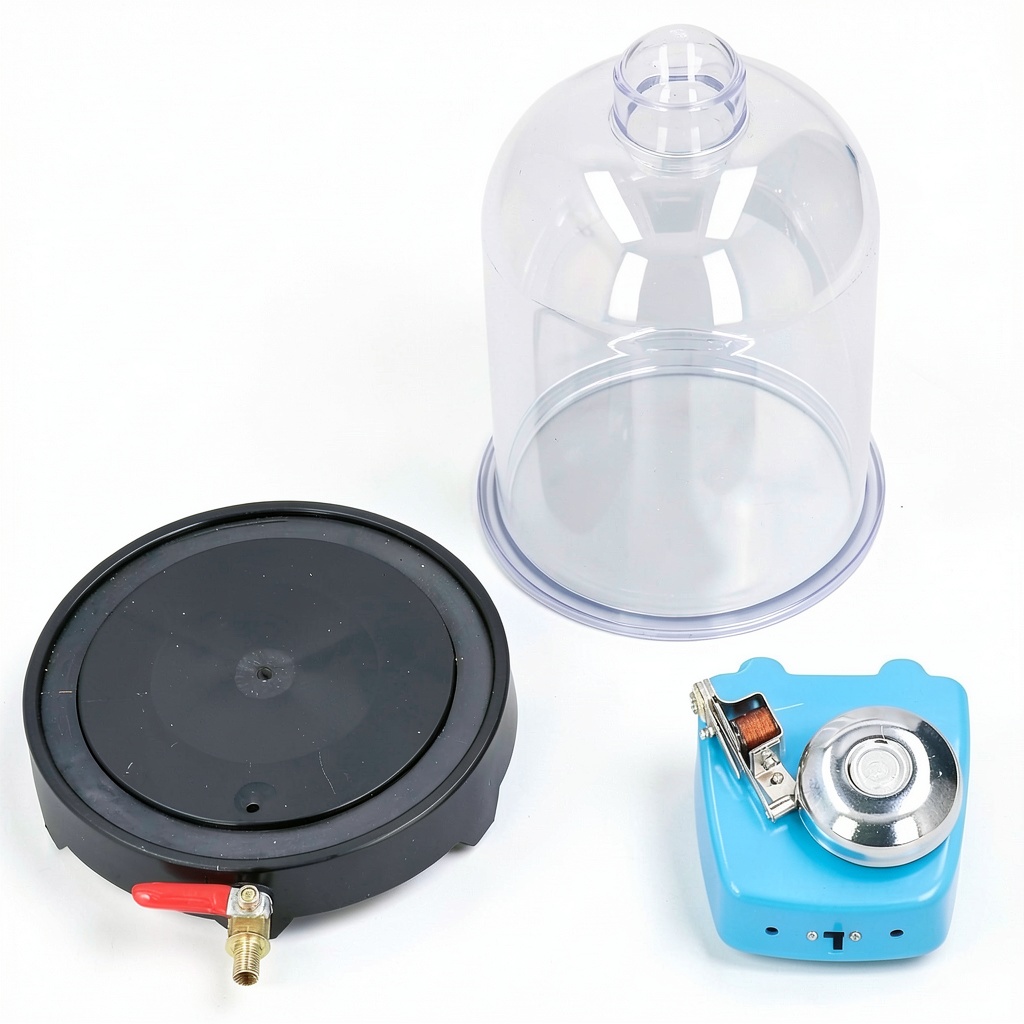
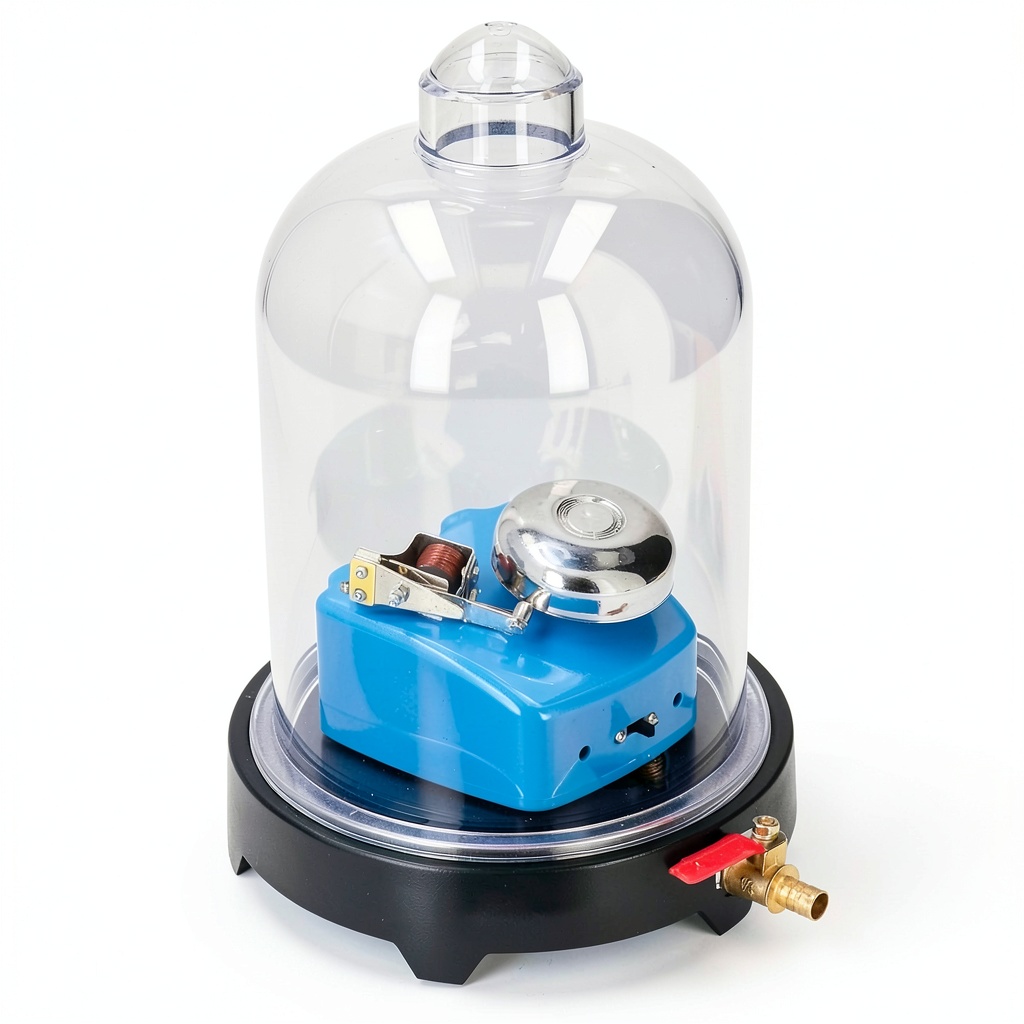
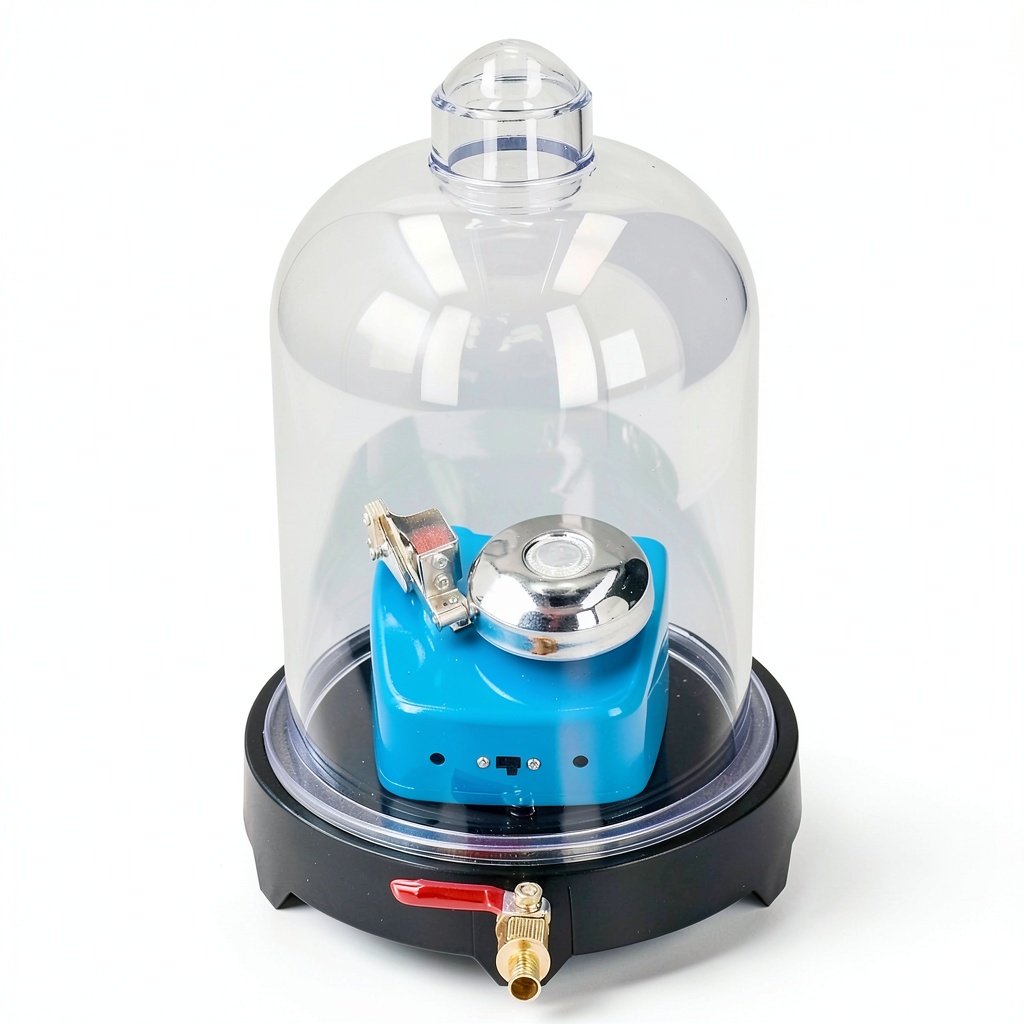
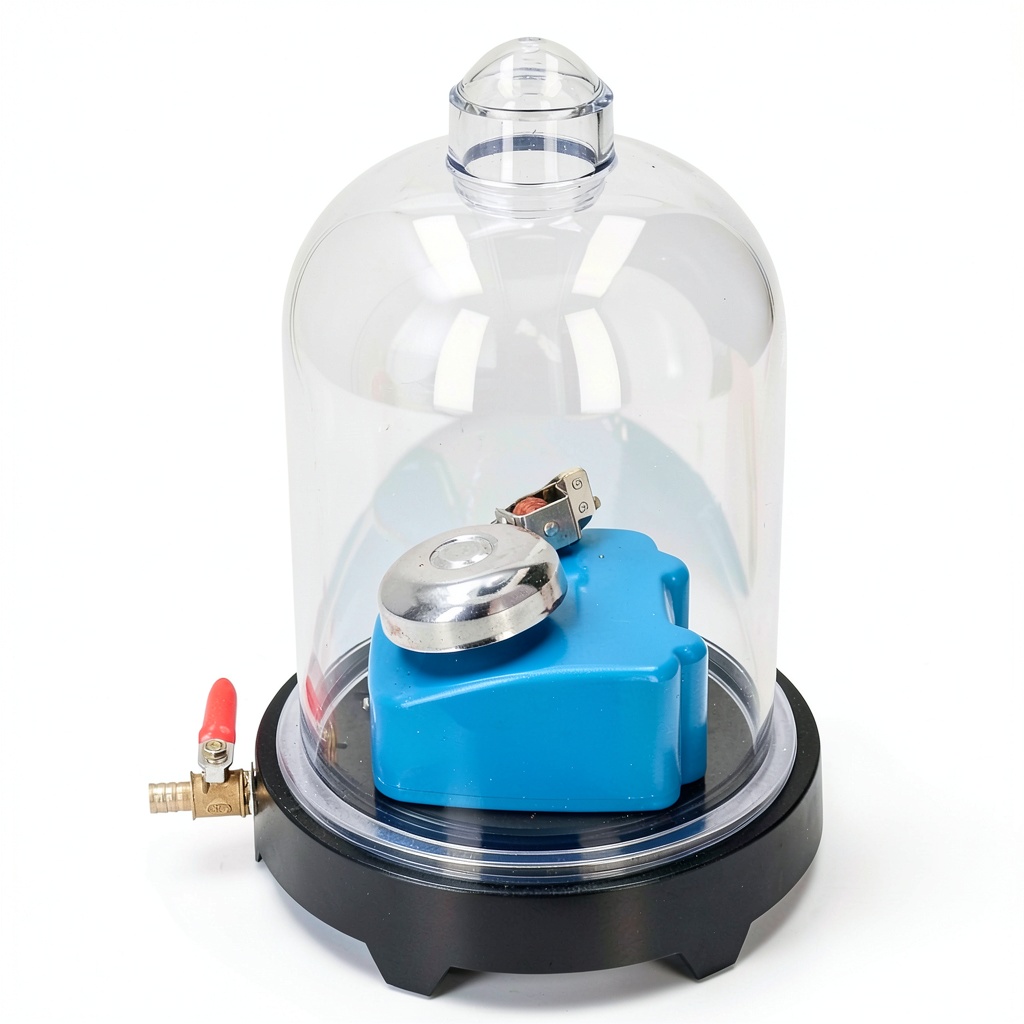
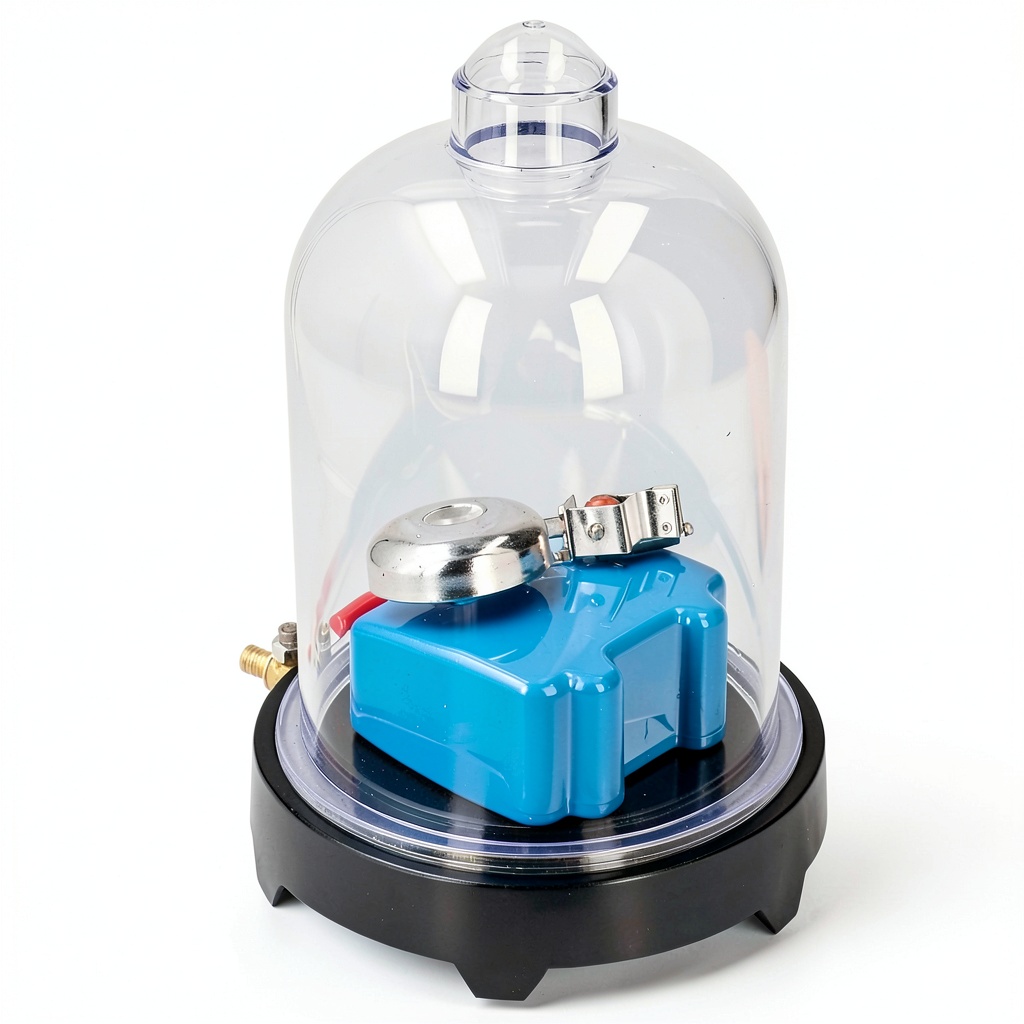
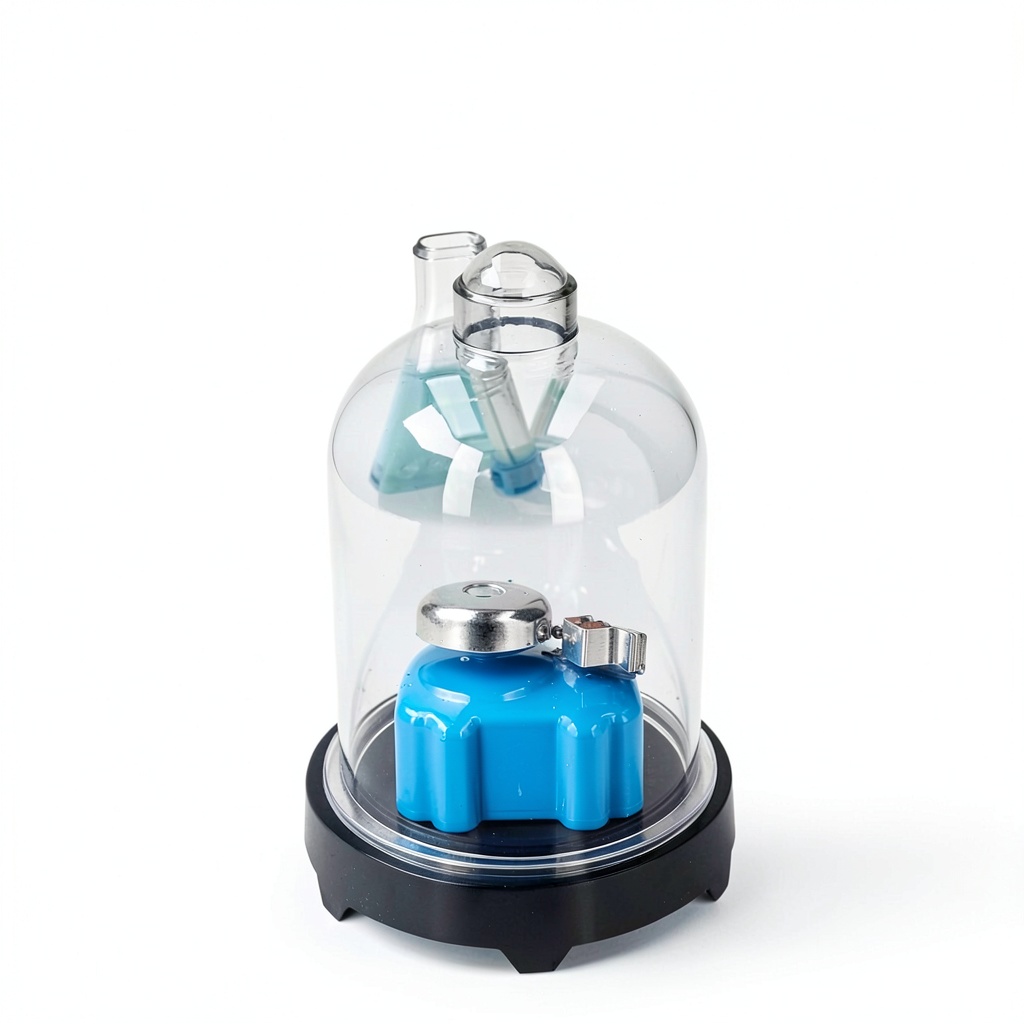
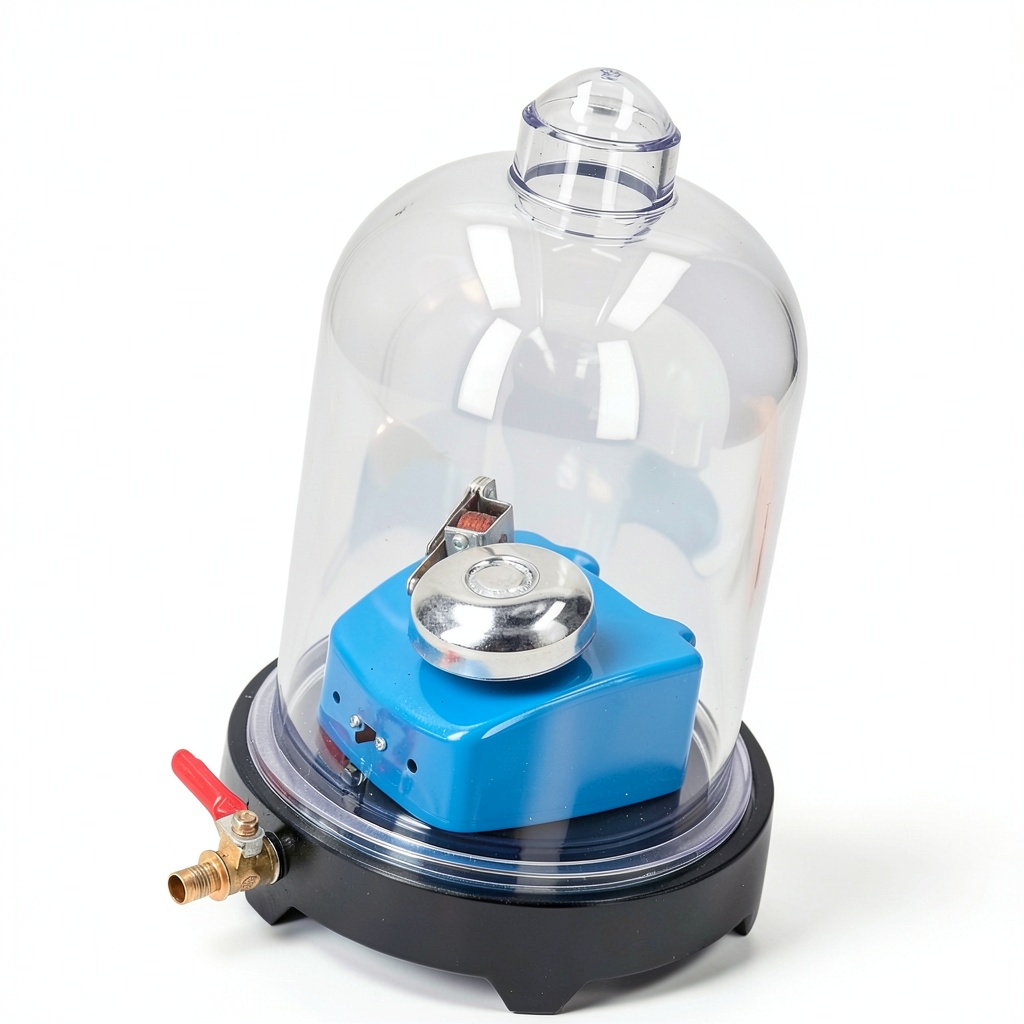
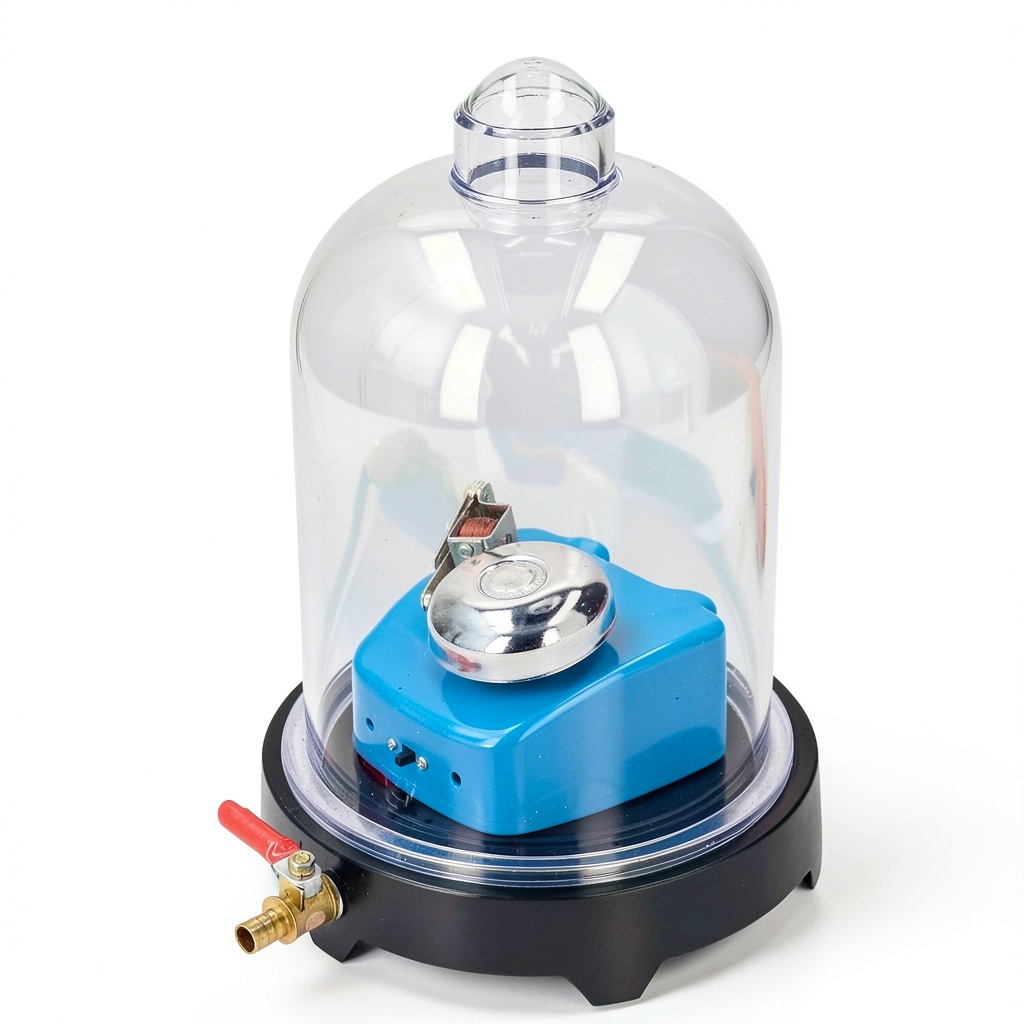
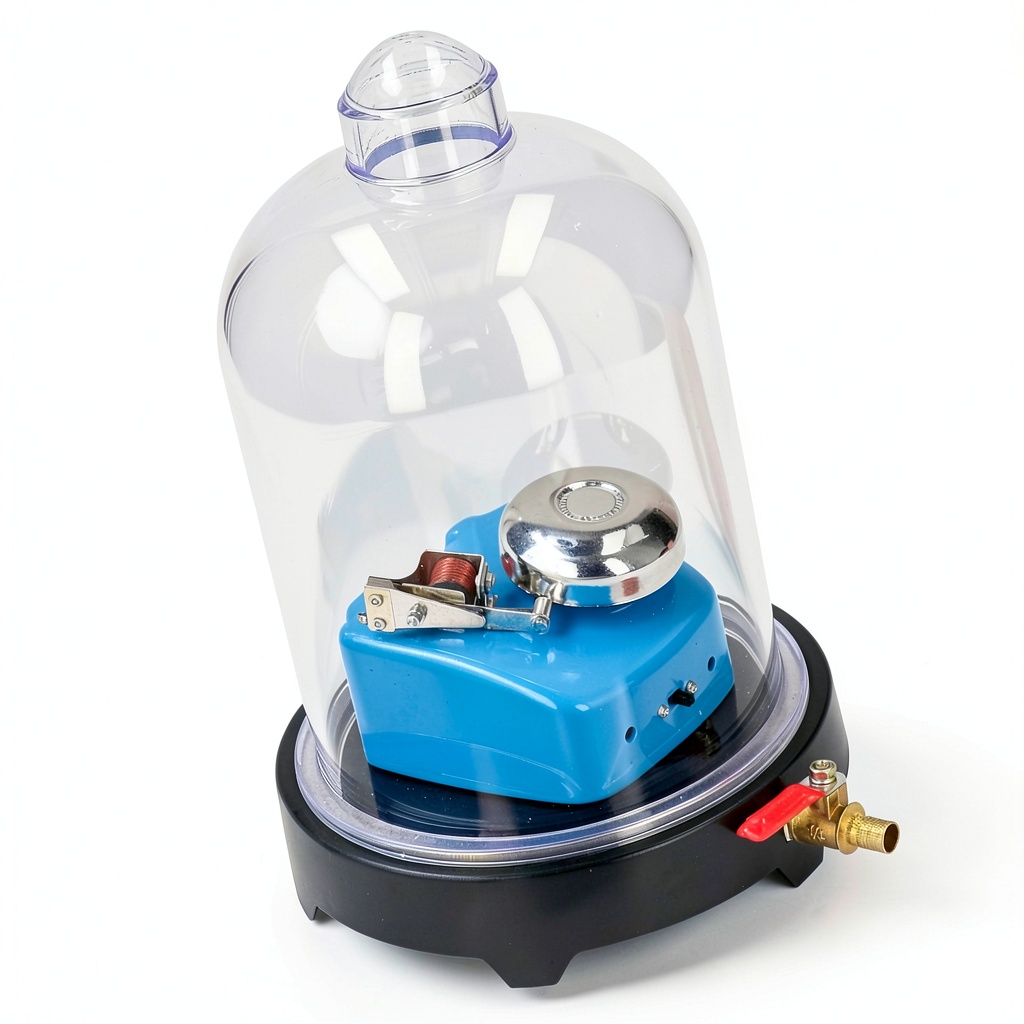
Garosa’s Vacuum Jar Sound Propagation Experiment Kit is a purpose‑engineered educational instrument designed to bring the abstract concepts of acoustics, pressure dynamics, and thermodynamics into a tangible, visual experience for students ranging from secondary school to university level. The core of the kit consists of a sturdy, transparent PVC bell jar hood that fits snugly over a compact vacuum chamber measuring 11.02 × 8.27 × 7.87 inches and weighing just 2.31 pounds, making it easy to transport between classrooms, laboratories, or field demonstrations. The chamber is equipped with a precision‑machined exhaust valve and a reliable hand‑pump that can evacuate air to a low‑pressure environment, allowing the audible ringing of a small electric buzzer placed inside the jar to fade progressively as the air density drops. This visual‑auditory feedback reinforces the relationship between medium density and sound transmission, while the clear hood enables instructors to point out the physical changes occurring inside the jar, such as the re‑condensation of steam when a cup of hot water is introduced for a complementary thermal experiment. Built from chemically resistant PVC, the hood resists cracking and provides a crystal‑clear view of the interior, and the metal fittings are corrosion‑protected to ensure long‑term durability. The kit also includes a set of safety goggles, a detailed experiment manual, and a quick‑start guide that outlines step‑by‑step procedures, safety precautions, and discussion questions aligned with national science standards. With its compact footprint, lightweight construction, and versatile experimental possibilities, the Vacuum Jar Kit serves as a cornerstone for any physics curriculum seeking to blend theory with hands‑on inquiry. Beyond acoustics, the kit can be integrated with lessons on gas laws, allowing students to observe the relationship between pressure and volume when the jar is sealed and the pump is operated, reinforcing Boyle’s law in a real‑time setting. The transparent design also supports interdisciplinary projects, such as chemistry demonstrations where the condensation of vapor inside the jar illustrates phase change principles, or engineering challenges that task learners with designing simple mechanisms to control the rate of evacuation. All components are engineered to meet ASTM safety standards for classroom equipment, and the included safety goggles protect eyes from accidental splashes during the hot‑water experiment. The manual provides suggested extensions, including the use of a smartphone microphone to record the fading sound and plot amplitude versus pressure, fostering data‑driven inquiry and reinforcing skills in graphing and statistical analysis. By offering a multi‑modal learning experience—visual, auditory, tactile—the Vacuum Jar Kit aligns with modern pedagogical approaches that emphasize active learning, inquiry‑based instruction, and the development of critical thinking skills essential for STEM success.
Usage
The Vacuum Jar Kit is ideally suited for a variety of learning environments, from traditional classroom labs to mobile science outreach programs and university research facilities. In a high‑school physics class, an instructor can set up the jar on a sturdy lab bench, insert a small buzzer, and demonstrate how the sound amplitude diminishes as the pump removes air, prompting students to hypothesize the underlying physical mechanisms before measuring the pressure with a handheld gauge. For college‑level courses in acoustics or fluid dynamics, the same apparatus can be paired with data‑logging equipment to generate quantitative curves that correlate sound intensity with pressure, enabling deeper analysis of wave propagation in rarefied media. The compact size and lightweight construction also make the kit an excellent choice for field demonstrations at science fairs, museum exhibits, or community workshops, where the clear PVC hood allows onlookers to see the interior activity without the need for disassembly. Because the kit includes a set of safety goggles and a detailed safety protocol, educators can confidently conduct the hot‑water condensation experiment outdoors, illustrating the interplay between temperature, pressure, and phase change in a memorable, hands‑on format. Additionally, the kit’s modular design permits integration with other laboratory equipment such as digital pressure sensors, oscilloscopes, or smartphone apps, expanding its utility across curricula that emphasize interdisciplinary STEM learning. Whether used to reinforce textbook concepts, inspire curiosity, or provide a platform for student‑led investigations, the Vacuum Jar Kit delivers a versatile, reliable, and engaging learning experience that adapts to diverse instructional goals. Teachers can align the experiment with Common Core State Standards for Science by mapping the activity to performance expectations related to wave behavior, energy transfer, and experimental design, and they can use the provided worksheet to assess student understanding through pre‑lab questions, observation logs, and post‑lab analysis prompts. The kit’s low maintenance requirements—no electrical power source, minimal consumables, and a simple hand pump—ensure that it can be reused across semesters without significant cost, while the durable PVC components withstand repeated cycles of evacuation and refilling. For remote or hybrid learning scenarios, instructors can record a high‑definition video of the sound fading process and share it with students, who can then replicate the data analysis using free spreadsheet software, thereby extending the reach of the hands‑on experience beyond the physical classroom. Overall, the Vacuum Jar Kit offers a flexible, curriculum‑aligned, and cost‑effective solution that supports inquiry‑driven pedagogy and fosters a deeper appreciation of the physical world.
Why Choose Us
Choosing the Garosa Vacuum Jar Kit means investing in a product that combines scientific rigor with practical durability, backed by a manufacturer with a proven track record in laboratory equipment. Garosa’s commitment to quality is evident in the use of high‑grade PVC that resists chemical attack and maintains optical clarity even after repeated cycles of heating, cooling, and vacuum exposure, ensuring that each demonstration remains visually striking and scientifically accurate. The precision‑engineered exhaust valve provides a smooth, leak‑free evacuation process, reducing the learning curve for instructors and allowing students to focus on observation rather than troubleshooting. Moreover, the kit is supported by a comprehensive after‑sales service program that includes a 12‑month warranty on all mechanical components, responsive technical support via email and phone, and access to an online resource hub containing lesson plans, video tutorials, and troubleshooting guides. This level of support empowers educators to integrate the kit confidently into their curricula without worrying about equipment downtime. In addition, the product’s compact footprint and lightweight design make it ideal for institutions with limited storage space, while the included safety accessories and detailed safety documentation demonstrate a proactive approach to classroom safety. By selecting the Garosa Vacuum Jar Kit, schools gain a versatile, reliable, and pedagogically sound tool that aligns with educational standards, enhances student engagement, and delivers long‑term value for science programs. The kit’s design also reflects an emphasis on sustainability; the PVC components are recyclable, and the hand pump operates without electricity, reducing the carbon footprint associated with laboratory equipment. Garosa provides clear labeling of all parts, enabling quick assembly and disassembly, which is especially valuable for busy teachers who need to set up multiple stations within limited class periods. Furthermore, the included experiment manual aligns with Next Generation Science Standards (NGSS) by offering inquiry prompts, data collection tables, and extension activities that encourage students to formulate hypotheses, test them, and communicate their findings in written or oral formats. This alignment not only streamlines lesson planning but also helps schools demonstrate compliance with state and district curriculum requirements. Finally, the positive feedback from thousands of educators, reflected in the product’s high ranking within the Lab Vacuum Chambers category on major e‑commerce platforms, underscores the reliability and educational impact of the Garosa Vacuum Jar Kit, making it a trusted choice for institutions seeking to elevate their science instruction.
Key Features
- Transparent PVC bell jar hood provides a clear view of internal experiments, enhancing visual learning.
- Hand‑operated vacuum pump creates low‑pressure conditions, allowing sound intensity to be observed as air is removed.
- Compact, lightweight design makes the kit easy to transport and set up in any classroom or field setting.
- Includes safety goggles and detailed safety protocol to ensure secure operation during hot‑water and vacuum demonstrations.
- Supported by a 12‑month warranty and responsive technical support, guaranteeing reliable performance and after‑sales service.
FAQ
How does the vacuum affect the sound inside the jar?
When the air inside the jar is evacuated, the density of the medium through which sound waves travel decreases. Sound requires a material—such as air—to propagate; fewer air molecules mean fewer collisions to carry the vibration, so the amplitude of the sound diminishes. As the pressure drops, the buzzer’s ringing becomes quieter until it is no longer audible, providing a direct, observable link between pressure and acoustic intensity. This phenomenon illustrates fundamental principles of wave physics and helps students understand why sound behaves differently in thin atmospheres, such as on high‑altitude mountains or in outer space.
Can the kit be used for experiments other than sound propagation?
Yes, the kit’s versatile design supports multiple types of experiments. In addition to sound demonstrations, educators can introduce a cup of hot water into the jar to observe steam condensation and re‑boiling as the pressure changes, reinforcing concepts of phase transitions and the ideal gas law. The clear hood also allows visualization of small objects falling in reduced‑gravity conditions, enabling discussions about drag and terminal velocity. By connecting a pressure sensor to the exhaust valve, students can record real‑time pressure data and correlate it with temperature or sound measurements, expanding the kit’s applicability to thermodynamics, fluid dynamics, and data‑analysis lessons.
What safety measures are included with the kit?
The kit comes with a pair of safety goggles to protect eyes from accidental splashes during the hot‑water experiment. All glass‑free components are made from impact‑resistant PVC, reducing the risk of breakage. The exhaust valve is designed with a secure locking mechanism to prevent sudden release of vacuum pressure, and the hand pump includes a pressure‑release valve for controlled depressurization. The accompanying manual provides step‑by‑step safety instructions, recommended personal protective equipment, and troubleshooting tips, ensuring that teachers can conduct demonstrations confidently and safely.
How can I integrate data collection into the experiment?
Students can attach a digital pressure sensor to the exhaust valve and connect it to a laptop or smartphone via Bluetooth or USB. Using free data‑logging software, they can record pressure readings at regular intervals while the sound intensity is simultaneously captured with a microphone app. The resulting dataset can be plotted to show the relationship between pressure and sound amplitude, allowing quantitative analysis of the attenuation curve. This hands‑on data collection reinforces scientific methodology, encourages critical thinking, and provides authentic experience with graphing and statistical interpretation.
What support is available if I encounter issues with the equipment?
Garosa offers a 12‑month warranty covering all mechanical components of the kit. If any part fails or requires replacement, customers can contact technical support via email or phone for prompt assistance. The company also provides an online resource hub that includes downloadable manuals, video tutorials, and a FAQ database. For more complex troubleshooting, a dedicated support team can guide users through step‑by‑step diagnostics to resolve issues quickly, ensuring minimal downtime for classroom activities.
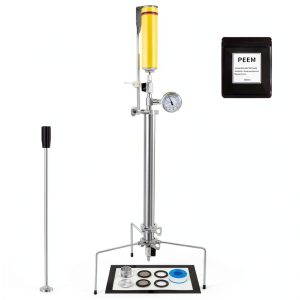
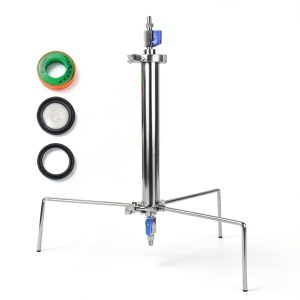
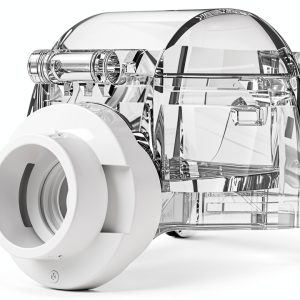 Vacuum Chamber Bouldon 139B Lab Vacuum Chamber Reliable Performance
Reviews
There are no reviews yet.